|
I’m a PhD candidate in computer science at UC San Diego, advised by Manmohan Chandraker. I study how AI agents can learn from human creative judgment. When a filmmaker adjusts a camera or a material artist revises a shader, what can an agent learn from the choices that led to the final result? I build agents that use creative software and produce work people can edit. My current research explores how agents can use Unreal Engine and DaVinci Resolve to stage, shoot, and edit a scene. My background is in 3D vision, neural rendering, and geometry, including research at Adobe and NVIDIA. I earned my MS at UC San Diego and my BE at BITS Pilani, and received a Qualcomm Innovation Fellowship in 2023. I’m on the job market for early 2027. I’m looking for a full-time Research Scientist or Member of Technical Staff role at a startup or industry research lab. I’d love to hear from teams working on agents, computer use, simulation, or creative tools. Email me. Email / Resume / Google Scholar / GitHub / LinkedIn |
|
|
|
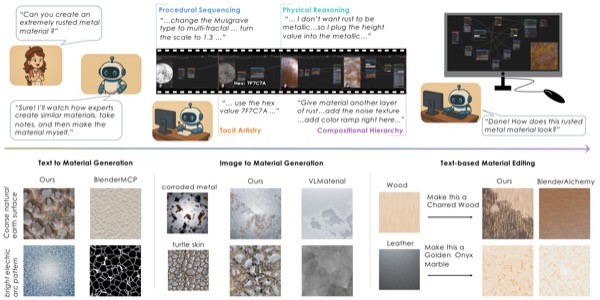 |
Kunal Gupta, Gaurav Joshi, Yen-Ru Chen, Seemandhar Jain, Ishit Mehta, Manmohan Chandraker ECCV 2026 Paper / Project page An agent learns from artists’ demonstrations to build editable procedural materials in Blender. |
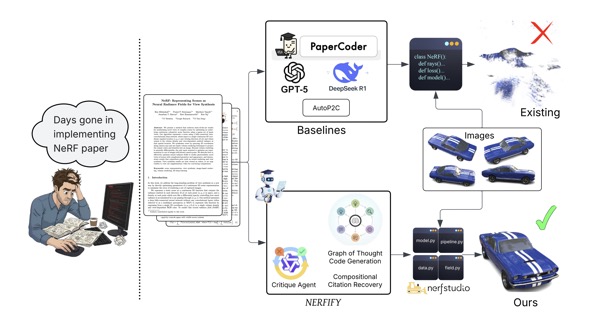 |
Seemandhar Jain, Keshav Gupta, Kunal Gupta, Manmohan Chandraker CVPR 2026 · Highlight Paper / Project page Agents turn research papers into trainable Nerfstudio plugins and use visual feedback to debug their implementations. |
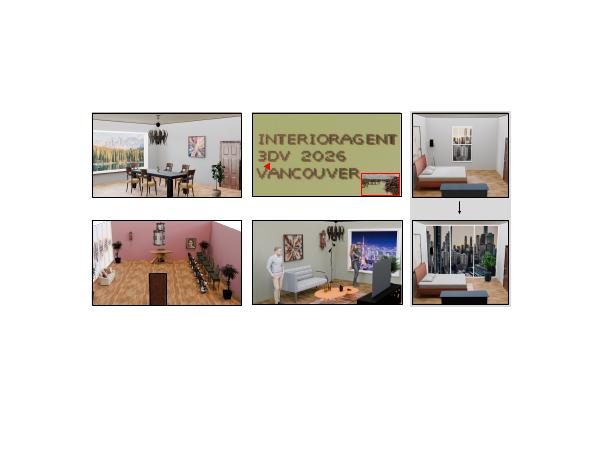 |
Kunal Gupta, Ishit Mehta, Kun Wang, Nicholas Chua, Abhimanyu Krishna, Yan Deng, Ravi Ramamoorthi, Manmohan Chandraker 3DV 2026 Paper / Project page An agent lays out 3D rooms in Blender, reasoning about how people move through a space and how the furnishings fit together. |
|
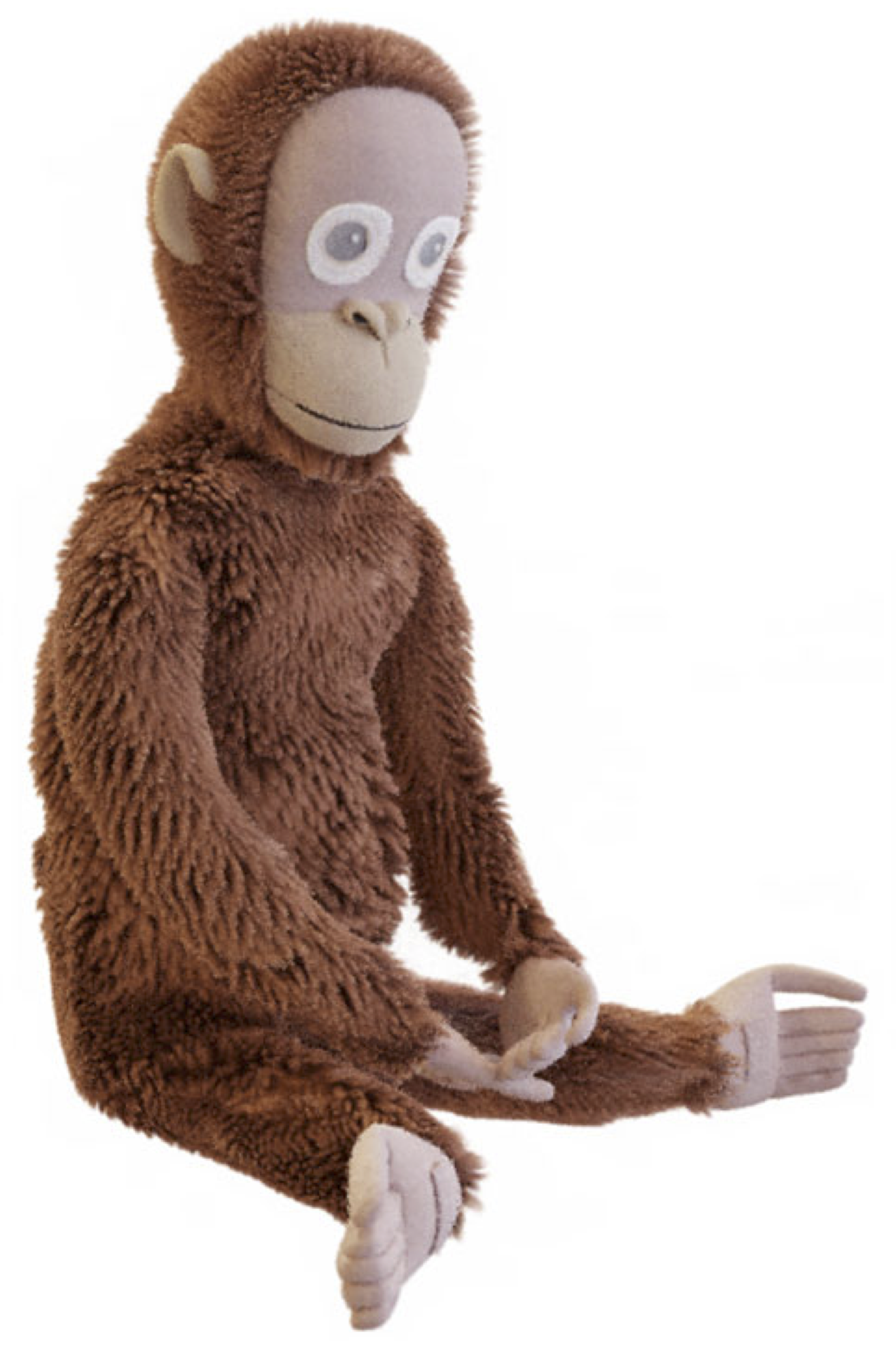
Kunal Gupta, Miloš Hašan, Zexiang Xu, Fujun Luan, Kalyan Sunkavalli, Xin Sun, Manmohan Chandraker, Sai Bi ACM SIGGRAPH ASIA 2023 paper / project page / arXiv / code A general Monte Carlo-based method to accelerate the rendering of any NeRF representation. |
|
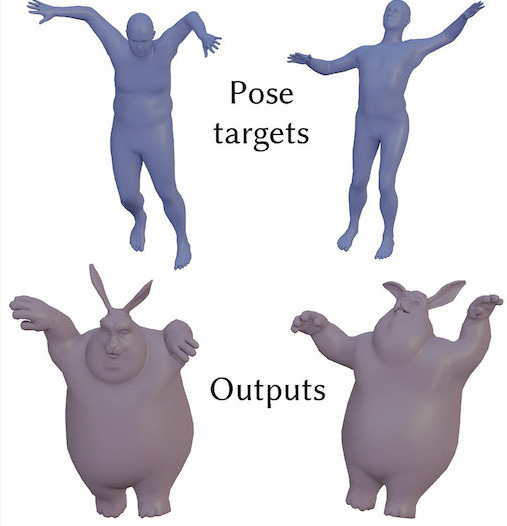
Noam Aigerman, Kunal Gupta, Vladimir Kim, Siddhartha Chaudhuri, Jun Saito, Thibault Groueix ACM SIGGRAPH 2022 (journal track) Paper / code A framework for learning to deform meshes in a highly detail-preserving manner, without being tied to a specific mesh |

|
Kunal Gupta, Brendan Colvert Zhennong Chen and Francisco Contijoch Medical Physics 2023 paper / project page / arXiv / code Motion resolved computed tomography by combining neural implicit representations and differentiable rendering |
Zhennong Chen, Kunal Gupta, Francisco Contijoch 7th International Conference on Image Formation in X-Ray Computed Tomography, 2022 Paper and code |
|
|
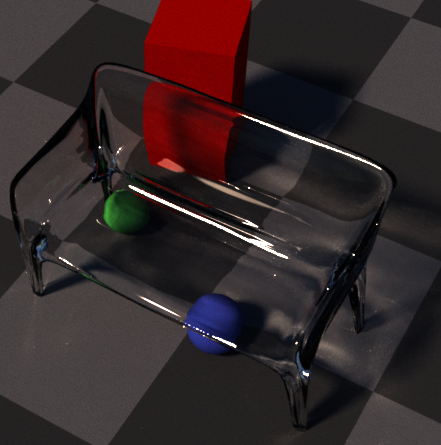
Kunal Gupta, Manmohan Chandraker NeurIPS 2020 (Spotlight) project page / arXiv / code / Master's Thesis A network that generates manifold meshes enabling photo-realistic physically based renderings and physics simulation |
|
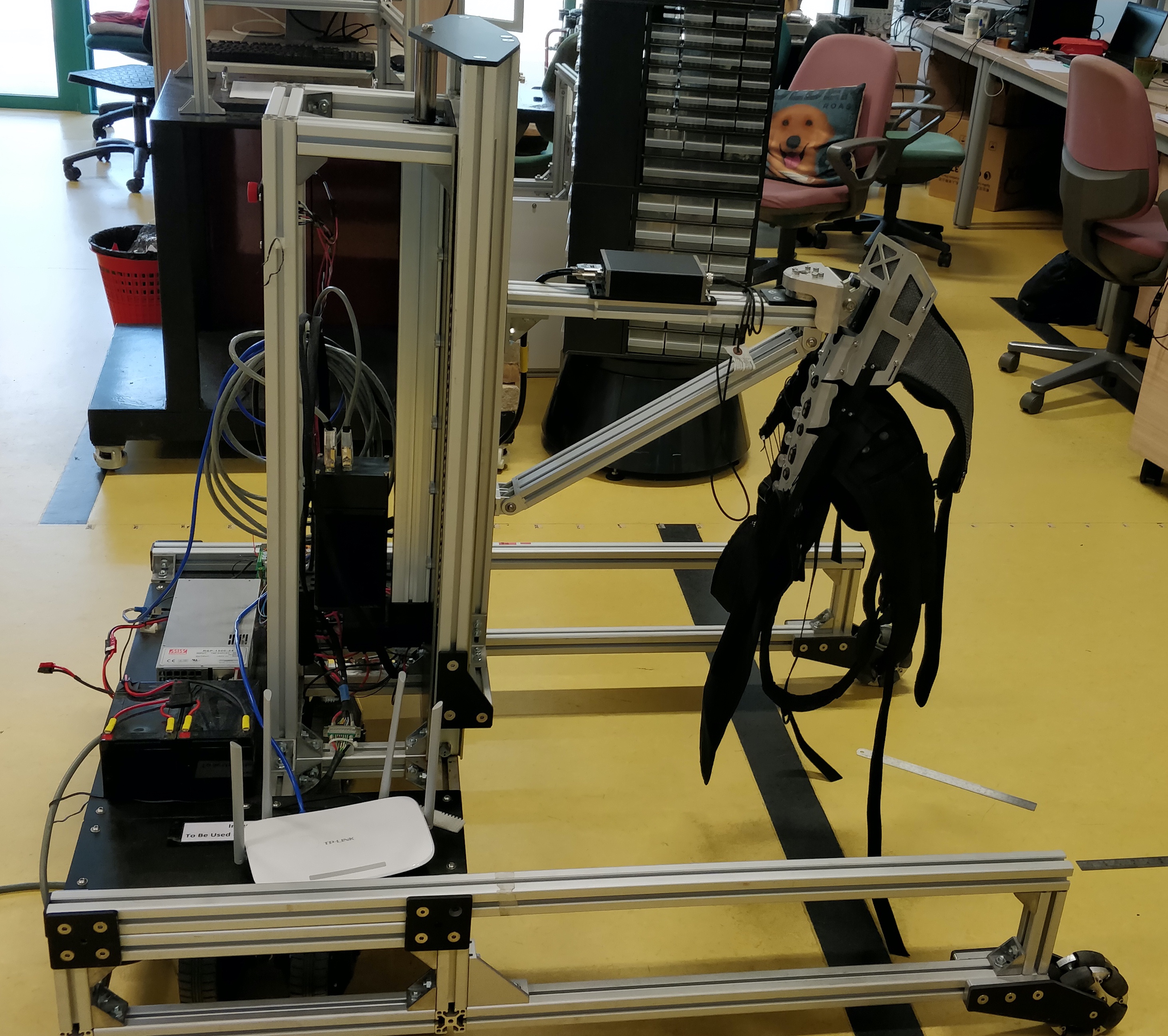
Bachelor's Thesis Novel Stable Gait Criteria (SGC) is proposed for safe and intuitive human-robot interaction and rehabilitation. |
|
|
| Random Walks and Sampling at MC Lab Discussions, September 2020 |
| ELBO and KL-Divergence Tutorial at ERL Discussions, December 2018 |
Template stolen from Jon Barron
Questions about graduate study at UC San Diego? Read my FAQ.